

Adding a pool to your property comes with a lot of decisions, and fencing is one that should not be an afterthought. A pool fence is not just about keeping the space looking finished. It plays a real role in safety, and in many parts of Colorado it is also a legal requirement tied to your permit for the pool itself.
Whether you are installing a new pool or adding a fence to an existing one, planning ahead can save you from having to redo work later if the fence does not end up meeting code. Here is what to think through when planning a pool fence, from safety basics to material choices that hold up well around water and Colorado’s weather.
Why Pool Fencing Requirements Exist
Most cities and counties in our area have specific rules for fencing around residential pools, generally aimed at preventing young children or pets from accessing the pool area unsupervised. These rules typically cover fence height, gate self-closing and self-latching hardware, and how close a fence needs to be to the water’s edge. The intent behind these requirements is straightforward: pools present a real drowning risk, and a properly designed barrier significantly reduces the chance of unsupervised access.
Requirements can vary depending on your city, so it is worth checking with your local building department or reviewing our local permit guides before finalizing your plans. In many cases, a permit is required for the fence itself, separate from any permit associated with the pool installation, and inspectors will often check the fence specifically before signing off on a new pool.
What to Look for in a Pool Fence
Beyond meeting code requirements, a good pool fence should also hold up to the specific conditions around a pool area, which tend to be more demanding than a typical backyard fence line. A few things to prioritize:
- No footholds: Horizontal rails or decorative elements that could be used to climb over the fence are generally discouraged or restricted by code.
- Self-closing, self-latching gates: Gates should close and latch automatically, ideally with the latch mechanism positioned high enough to be out of reach for young children.
- No large gaps: Vertical gaps in the fence should be narrow enough that a small child cannot fit through or get stuck.
- Corrosion resistance: Materials near a pool are exposed to more moisture and, in some cases, pool chemicals, so corrosion resistance matters more here than in a typical yard fence.
- Height consistency: The entire perimeter needs to maintain the required height, including any sections that transition between different fence styles or connect to the house.
Working through these details with your installer before the project starts helps make sure the finished fence meets code and actually functions the way it is intended to, rather than needing adjustments after an inspection.
Best Materials for Pool Fencing
Aluminum and Ornamental Metal
Aluminum is one of the most common choices for pool fencing because it resists rust and corrosion from pool chemicals and moisture, and its vertical picket design naturally avoids the wide gaps and footholds that codes tend to restrict. It also allows visibility into the pool area, which many families prefer for supervision purposes, since you can keep an eye on the pool from other parts of the yard or from inside the house. Our metal fence installation page has more on styles and finishes.
Vinyl
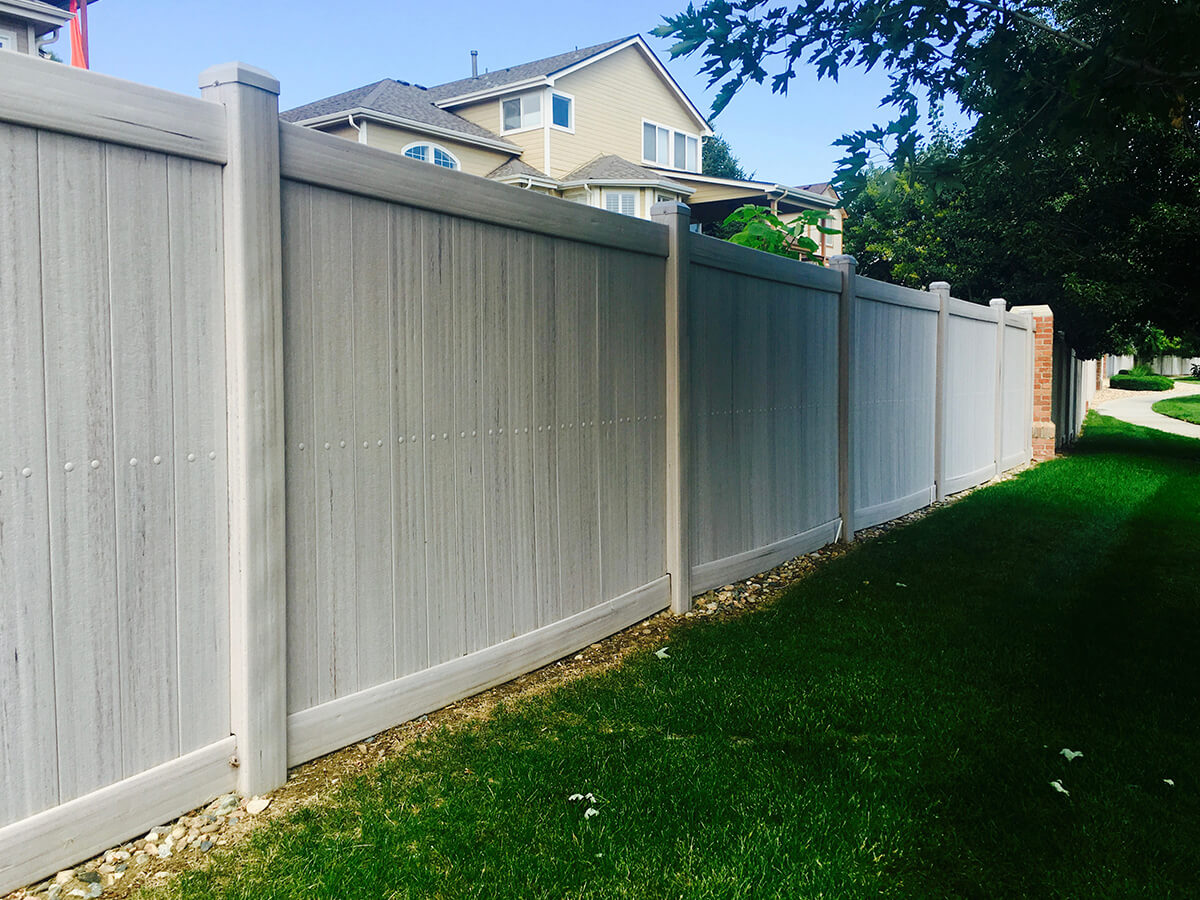
Vinyl is another strong option around pools since it does not absorb moisture or corrode, and it requires very little maintenance despite constant exposure to splashing and humidity near the water. A solid vinyl privacy fence can work well if you want to enclose the pool area completely rather than keep it visible from the rest of the yard, which some homeowners prefer for both privacy and noise containment during pool use. See options on our vinyl fence installation page.
Glass and Specialty Panels
Some homeowners choose frameless glass or specialty panel systems specifically for pool areas, since they meet code requirements while preserving an unobstructed view of the water and surrounding landscaping. These systems tend to come at a higher cost than standard metal or vinyl options, but they are a popular choice for homeowners prioritizing a modern aesthetic around the pool, and they pair particularly well with contemporary outdoor living spaces.
Materials to Approach Carefully
Wood can be used around pools, but it requires more diligent maintenance in this environment since it is exposed to more consistent moisture than a typical yard fence, and splashed pool water can accelerate wear on stain and sealant over time. Chain link can meet code in some cases, but its wider standard mesh may not satisfy gap requirements without an added privacy liner or tighter mesh option, and galvanized coatings should be checked for compatibility with pool chemical exposure.
Gate Placement and Access Control
Gate location and hardware are just as important as the fence material itself when it comes to pool safety, and this is an area where a lot of pool enclosures fall short even when the fence itself meets code. A few best practices worth discussing with your installer:
- Position gates away from direct sightlines to the pool from inside the house, if possible, to reduce the temptation for young children to head straight for the water
- Use self-closing hinges and self-latching mechanisms rated for outdoor, high-use conditions, since cheaper hardware tends to wear out faster with frequent gate use
- Consider an automated or code-based entry system if the pool is shared by multiple households or used frequently by guests
- Keep the number of gates to the minimum needed for practical access, since each gate is a potential point of failure if hardware is not maintained
- Test gate hardware periodically, since hinges and latches can loosen over time with regular use and seasonal temperature changes
If you are considering added convenience or security, our gate installation and automation page covers options that can be paired with a code-compliant pool fence.
Planning Your Pool Fence Project
A few steps can help your pool fence project go smoothly from start to finish, whether you are fencing a new pool or bringing an existing one up to current code:
- Check your city’s specific pool fence requirements before finalizing a design, ideally before the pool itself is installed if you are starting from scratch
- Decide whether you want the pool area fully enclosed or simply separated from the rest of the yard, since this affects both material choice and layout
- Choose a material based on both code compliance and how it will hold up to moisture and chemical exposure over time
- Plan gate placement around how your family and guests actually use the space, not just where it is most convenient to install
Homeowners in Centennial and throughout the metro area often find it helpful to walk through these decisions with an installer who is familiar with local code requirements, rather than trying to piece together the rules from a general online search that may not reflect requirements specific to their city.
Frequently Asked Questions About Pool Fencing
Does an existing yard fence count as a pool barrier?
Sometimes, but it depends on whether your existing fence meets the specific height, gap, and gate requirements for pool enclosures in your city. Many existing yard fences were not built with pool code in mind, so it is worth having your fence evaluated before assuming it qualifies, especially if the fence predates your pool installation or was built for a different purpose like privacy or property boundaries.
Do I need a separate fence around the pool if my whole yard is already fenced?
Many jurisdictions still require a dedicated pool barrier even if the property is already fenced, particularly if the yard fence does not meet the specific self-closing gate and height requirements that apply to pool enclosures. This is one of the most common surprises for homeowners who assume their existing perimeter fence is enough. Checking with your local building department is the most reliable way to know for sure.
How tall does a pool fence need to be?
Height requirements vary by city, but most jurisdictions set a minimum height intended to make climbing over the fence difficult, and some also specify a minimum clearance between the ground and the bottom of the fence to prevent small children from crawling underneath. Your local permit guide or building department will have the specific numbers that apply to your property.
Can I add a pool fence after the pool is already installed?
Yes, and this is common, especially for homeowners who are adding a pool fence to bring an existing pool up to current code or simply improve safety for a growing family. The main consideration is making sure the fence layout works with existing landscaping and hardscaping around the pool.
What happens if my pool fence does not pass inspection?
If an inspector identifies an issue, you will typically need to correct it and schedule a follow-up inspection before the pool can be signed off. Common issues include gaps that are too wide, gates that do not self-close properly, or a fence height that falls short of the local requirement, which is why it helps to confirm these details with your installer before the fence goes up rather than after.
Get a Free Estimate for Your Pool Fence
A pool fence needs to check a lot of boxes at once: it has to meet code, hold up to moisture and chemical exposure, and still look like a natural extension of your yard. Our team can walk your property, talk through local requirements, and recommend a material and layout that checks all three, whether you are planning a new pool or updating an existing enclosure.
Ready to get started? Get a free estimate and we will help you plan a pool fence that is both compliant and built to last.
Need an expert opinion? Talk to our experts today!
When you talk to our experts at Denco Fence Company, we’ll help you compare fence styles, share design ideas, and answer any questions along the way. If you’re looking to build or repair a fence that you and your neighbors are going to love, get a free estimate and let us help bring your project to life.